How many plans is enough?
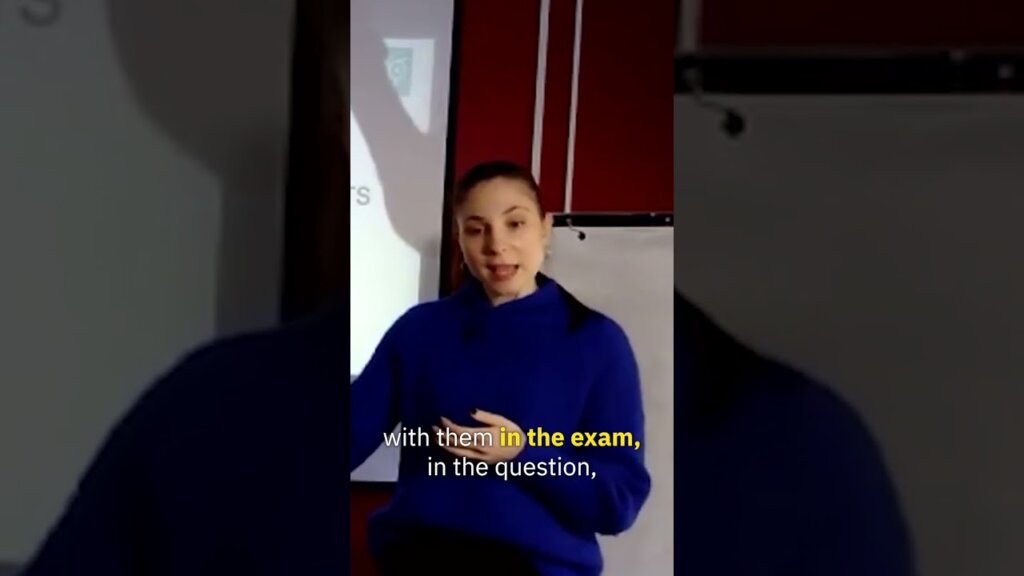
Emily ranked first in NSW for Modern History with a 99.75 ATAR, and describes herself as an essay plan fanatic. She could not memorise essays, so she wrote a plan for every syllabus point she could find a question for. The final count was upwards of 30 to 40.
Her sourcing is the part most students miss. She worked through the past HSC papers, then went looking for trial papers from other schools online and worked through those questions too. That is how you find the question shapes the official papers have not used yet.
Once a plan becomes an essay, expert essay marking is the fastest way to find out whether the argument survived the compression.
What should a plan actually contain?
Hers started as almost summary notes, dense with research, evidence and historians’ quotes, sometimes more detailed than the essays she eventually wrote. Then she refined them, and over time they compressed into points as the material became internalised.
That trajectory is the important bit. Filling the plans was her study. She was not preparing to study later; going through them, adding evidence, adding historians, was the act of learning the content. By the end she had begun remembering it without setting out to memorise anything.
If you are starting from a blank page, curriculum-aligned study guides give you the evidence and historian material to populate a plan with, which removes the slowest part of the process and leaves you doing the part that actually teaches you the content.
Does it help to work with someone else?
Substantially, in her case. She and a study partner divided the work: when she could not see how the points on strategies and tactics linked together, her friend, who understood that topic, wrote the plan for it. Emily could then write an essay from her friend’s plan, and both ended up knowing both topics.
She also names something less measurable. Hours spent mind mapping together on a shared document, and simply seeing the other person’s cursor on the page, gave her some momentum through a long year. Finding someone with similar academic ambitions is the practical version of that advice.
How does a plan turn into knowledge you can recall?
By being written more than once. Emily’s plans began as dense summary notes, occasionally more detailed than the essays she went on to write, then compressed into points as the content settled. That compression is the learning: deciding what can be dropped forces you to work out which evidence is load-bearing.
It also means a plan is never finished in one sitting. The first pass is research, the second is selection, and by the third the material has usually stopped feeling like something you are looking up and started feeling like something you know.
This is why she describes the plans as her study rather than as preparation for study. There was no separate memorisation phase, because filling and refining them across the year did that work.
What does a study partner add that working alone does not?
Coverage you would otherwise skip. Emily and her partner divided topics by weakness: when she could not see how the points on strategies and tactics connected, her friend, who could, wrote that plan, and Emily then wrote a full essay from it. Both finished knowing both topics, and the topic she was avoiding got covered rather than quietly dropped.
There is a less measurable benefit she is honest about. Hours spent mind mapping on a shared document, and simply seeing someone else’s cursor moving on the page, carried her through a long year. Choosing a partner with similar ambitions is the practical form of that advice.