What does this video cover?
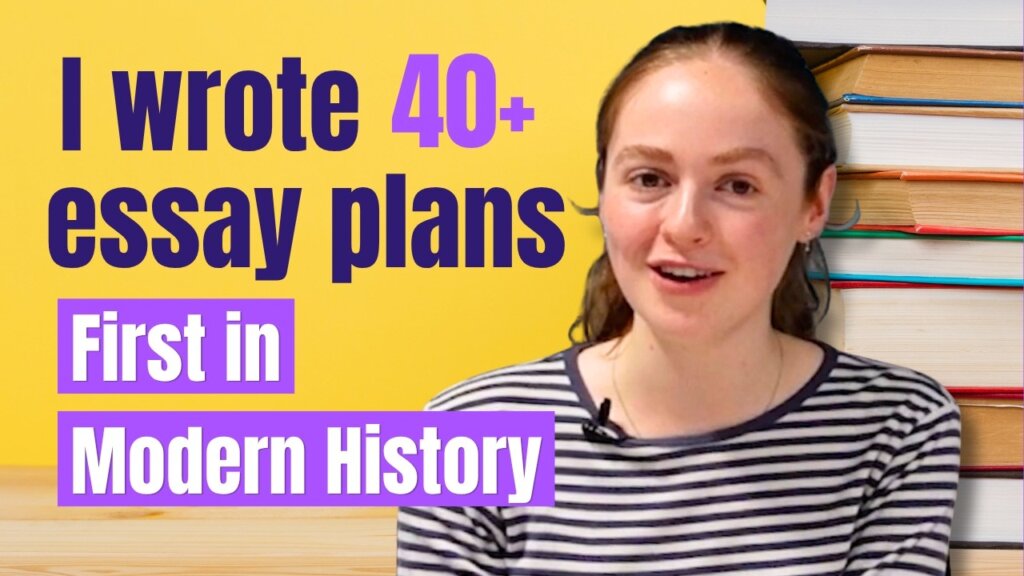
This video explores the most effective preparation strategies for HSC English, featuring insights from Emma, a student who achieved a 99.95 ATAR and placed third in the state for English Advanced. It breaks down her two-step process for mastering the syllabus: preparing a flexible base essay and applying it to unseen questions. The discussion also covers the balance between essay length and quality, and how to develop unique textual analysis to stand out to markers.
How do you build a flexible skeleton essay?
Creating a skeleton essay involves drafting a core response for each module that serves as an adaptable foundation rather than a rigid script. Rather than memorising an exact set of paragraphs, students should develop a main draft and compile supplementary notes on alternative themes. Throughout the year, this base essay should be constantly refined based on teacher feedback, internal assessments, and trial exams.
- Draft a main essay for each module early in the year.
- Compile supplementary notes on alternative themes and ideas to draw upon.
- Continuously update the draft after internal assessments and trial exams.
- Memorise the core structure, but remain adaptable to the specific exam question.
Why is adapting to unseen questions crucial?
Adapting to unseen questions is crucial because it trains students to mold their pre-prepared knowledge to fit specific, unexpected exam prompts. The second phase of preparation involves applying the skeleton essay to a wide variety of practice questions, such as theme-specific or quote-based prompts, under exam conditions. Even if the initial practice drafts are poor, the process of wrestling with difficult questions builds the flexibility needed on exam day.
Should students focus on essay length or quality?
Students should always prioritise the quality and conciseness of their writing over the overall word count. While fast writers might produce essays of 1,300 to 1,500 words, it is a common mistake to artificially inflate word counts by repeating the same point in different ways. Markers reward clarity and impact, meaning a concise sentence that directly answers the question is far more effective than rambling analysis.
How can you make your textual analysis stand out?
You can make your textual analysis stand out by avoiding overused examples and finding unique insights that connect specific moments to the composer’s broader purpose. For example, when studying texts like The Merchant of Venice, it is highly beneficial to remove cliché points and replace them with unique observations. Exploring the entirety of a text, rather than just the most popular scenes, provides a richer pool of evidence to draw from and demonstrates a deeper understanding to the marker.